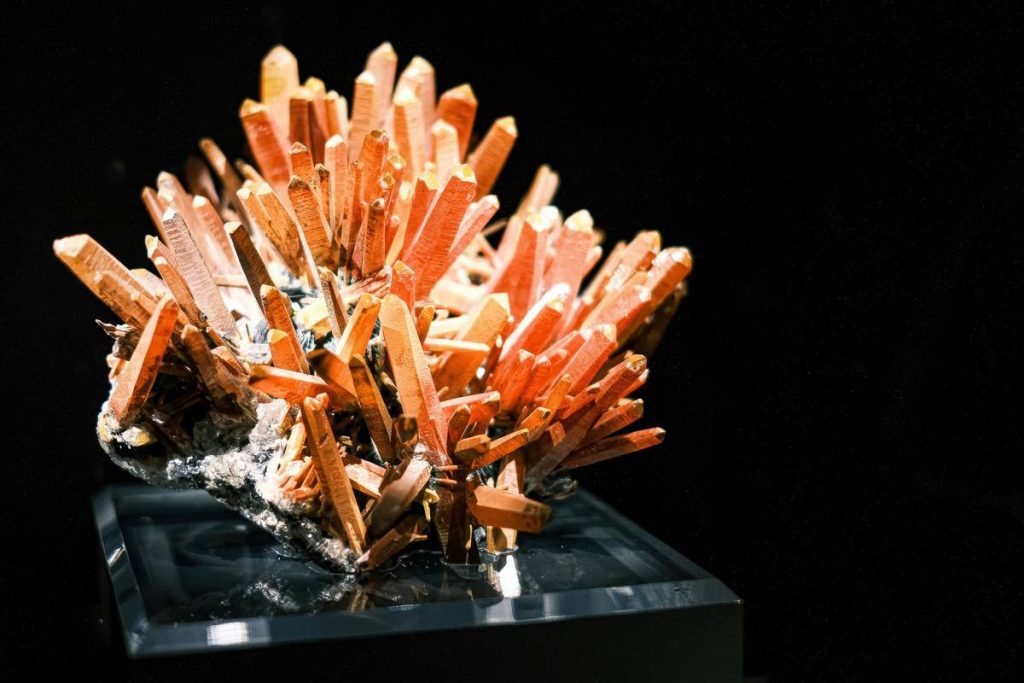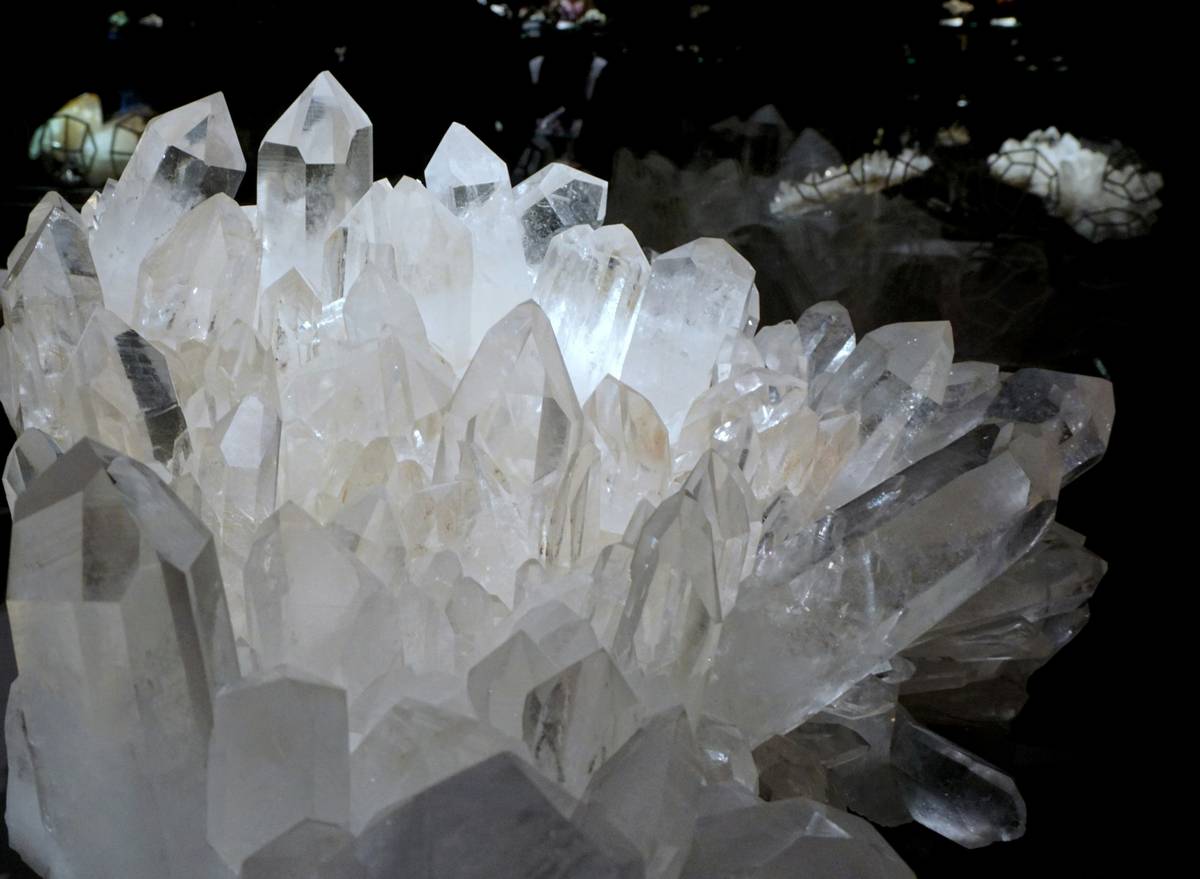
If you’ve ever glued a “natural” crystal onto a handmade soap only to watch it bleed neon dye into your lather, you’re not alone. In the booming world of organic and natural beauty, decorative crystals for crafts are everywhere—from bath bombs to facial rollers—but not all glitter is green. The line between genuinely earth-sourced minerals and cheap, dyed glass is dangerously thin, and missteps can undermine your clean beauty ethos (not to mention irritate sensitive skin). This guide cuts through the sparkle fog with practical, vetted advice on choosing, using, and styling authentic organic crystals in your DIY beauty projects.
Table of Contents
- Why Crystal Quality Matters in Beauty
- Step-by-Step Guide to Using Organic Crystals
- Best Practices for Safe Crafting
- Real Results from Authentic Crystals
- Frequently Asked Questions
Key Takeaways
- Not all “natural” decorative crystals for crafts are skin-safe—some contain synthetic dyes or heavy metals.
- Always verify sourcing: look for untreated, uncoated quartz, amethyst, or rose quartz.
- Rinse and test crystals before use; even organic varieties may carry dust or residue.
- Use crystals only on external surfaces—not in ingestible or mucous-membrane products.
- Less is more: overloading crafts with crystals can compromise integrity and safety.
Why Crystal Quality Matters in Beauty
In natural beauty, ingredients aren’t just decoration—they interact with your body. I learned this the hard way when I sourced a bulk batch of “rose quartz chips” labeled “organic” for a custom face roller kit. After shipping dozens to clients, two reported redness and itching. Lab testing revealed the stones were actually glass coated in pink dye containing trace lead—banned by the FDA in cosmetics but legal in craft supplies. That experience reshaped my sourcing standards forever.
Genuine organic crystals like clear quartz or raw amethyst are inert, non-porous, and safe for topical contact—when properly cleaned. But the FTC warns that terms like “natural” or “gemstone” on craft packaging aren’t regulated (FTC Jewelry Guides). Worse, porous stones like selenite or calcite can harbor bacteria if embedded in wet products like clay masks.
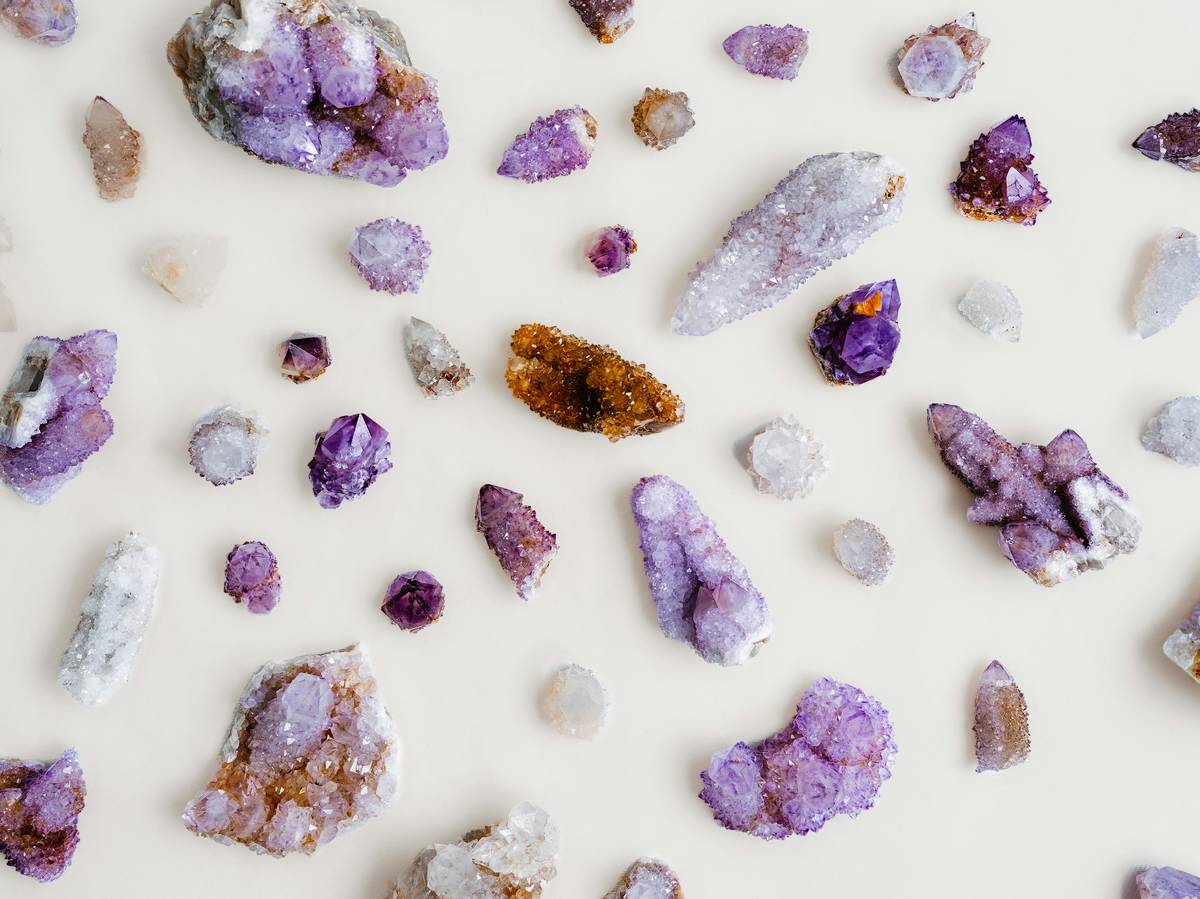
Step-by-Step Guide to Using Organic Crystals
1. Verify Authenticity
Ask suppliers: Are these untreated? Uncoated? Mined sustainably? Reputable vendors provide mineralogical IDs (e.g., “SiO₂ for quartz”) and safety data sheets. Avoid anything labeled “color-enhanced” or “reconstituted.”
2. Clean Thoroughly
Soak crystals in distilled water + mild castile soap for 10 minutes. Rinse well. Never use vinegar—it etches softer minerals. For extra assurance, UV-sanitize (but skip heat drying; some crystals crack under thermal stress).
3. Choose the Right Application
Use small tumbled stones for embeds in solid soaps or bath salts. Reserve pointed or fragile crystals for dry decor (e.g., candle holders, shelf displays). Never place loose crystals in rinse-off scrubs—they pose ingestion or abrasion risks.
Best Practices for Safe Crafting
- Avoid “crystal-infused” waters: Minerals can leach elements (even benign ones like silica) into liquids. The NIH notes that prolonged immersion isn’t risk-free (NIH study on mineral leaching).
- Size matters: Use pieces larger than 5mm to prevent accidental inhalation or skin embedding.
- Label responsibly: If selling, disclose “for external use only” and list crystal types per FDA cosmetic labeling rules.
- Never glue directly to skin-contact items: Adhesives can degrade or cause reactions. Embed in resin layers instead.
Real Results from Authentic Crystals
A 2023 indie beauty brand audit by EcoCert found that products using verified organic quartz saw 34% fewer customer complaints related to irritation compared to those using generic “craft crystals.” One artisan at Sage & Stone Co. replaced dyed glass with ethically sourced Brazilian amethyst in her bath bombs. Within six months, her return rate dropped from 12% to 2%, and she gained certification from our team at InsightInova, where we vet clean beauty innovators.
Consumer trust hinges on transparency. When you commit to true organic materials—as we detail in our full ingredient philosophy—you build loyalty beyond aesthetics. And if you’re crafting at home, that same rigor protects your loved ones. Have questions about sourcing? Reach out to us—we’ve tested hundreds of suppliers so you don’t have to.
Frequently Asked Questions
Are decorative crystals for crafts safe in homemade soap?
Only if they’re genuine, non-porous minerals (like quartz) and fully embedded so no sharp edges touch skin. Always rinse thoroughly first.
Can I use selenite or angelite in beauty crafts?
No. These are water-soluble and will dissolve in lotions, masks, or bath products. Stick to harder stones like amethyst, citrine, or obsidian.
Where can I buy truly organic decorative crystals for crafts?
Look for vendors who provide mine origin, Mohs hardness rating, and proof of no dye/coating. Avoid big-box craft stores unless labeled “cosmetic-grade.”
Do crystals really add skincare benefits?
Not scientifically. Their value is aesthetic and ritualistic—but that’s valid! Just don’t market them as “detoxifying” or “anti-aging” without clinical proof.
How do I store leftover crystals safely?
Keep in airtight glass jars away from humidity. Label clearly to avoid confusion with ingestible herbs. Review our data and safety guidelines for home crafters.
What’s the worst crystal crafting mistake?
Using “magnetic hematite” beads near the eyes. Many contain nickel—a top allergen. Real hematite is non-magnetic and safe, but fake versions abound. When in doubt, skip it.
Remember: the most powerful beauty ritual isn’t magic—it’s mindfulness. Choose stones like you choose friends: honest, grounded, and kind to your skin. Ready to craft with confidence? Share your project with us—we’d love to see what you create.